Holistic Treatment for Digestive Issues in Boulder, Colorado
Medically reviewed by: Dr. Donald Spears, ND, MSOM, LAc
Quick Overview
Digestive issues are incredibly common, yet most people never receive a clear explanation for why they feel bloated, constipated, gassy, nauseous, or uncomfortable after eating. At Whole Systems Healthcare Boulder, we look deeper. Digestive symptoms are often messages from the nervous system, immune system, or hormones that can be understood through holistic diagnostic lenses. By understanding the whole picture, we help patients finally get relief in a simple, supportive, and sustainable way.
What Digestive Issues Really Mean For Your Body
Digestive symptoms are signals that the gut is struggling to digest, absorb, move, or tolerate food in an optimal way. For some people, symptoms show up as bloating or discomfort after meals. For others, the pattern is constipation, loose stool, reflux, or cramping. These symptoms can be confusing and unpredictable, especially when they seem unrelated to what you eat or how healthy your lifestyle is.
Many of our patients come in feeling frustrated, dismissed, or told their symptoms are stress related without being given real help. You deserve clarity. You deserve a plan. Most importantly, you deserve to feel like yourself again.
Why Digestive Issues Happen
Digestive problems rarely come from the gut alone. There is a popular saying that all disease starts in the gut. While the gut plays a major role in health, it is not the true root of most chronic symptoms. In reality, the gut is influenced by the systems that regulate it. Your nervous system, immune system, and hormone system determine how well your gut digests food, moves it forward, interacts with the microbiome, and responds to stress.
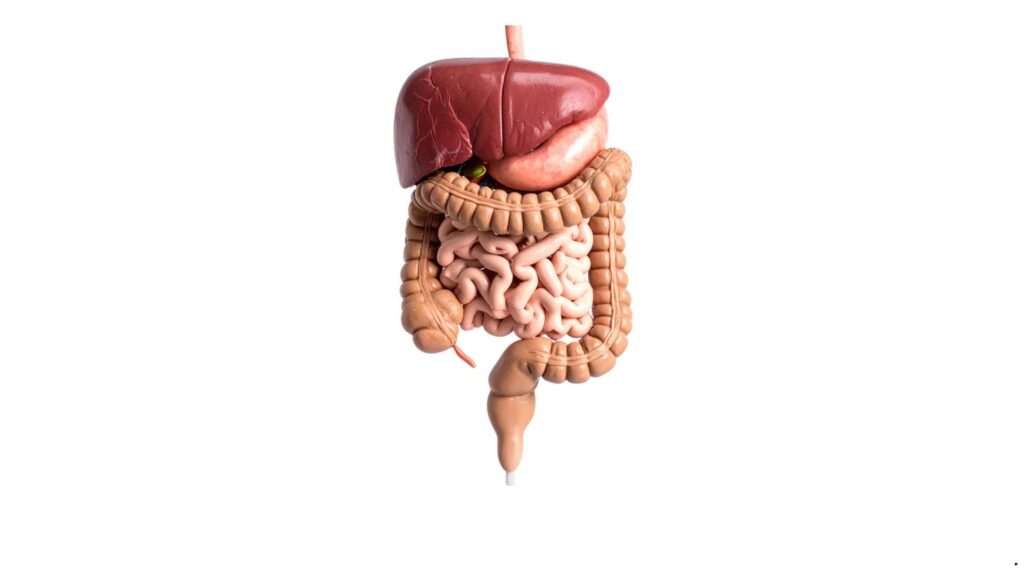
One helpful way to understand this is to think of the gut as a long tube that runs through the middle of the body. Even though it sits inside your abdomen, it is still technically connected to the outside world. What truly shapes digestive health is what happens behind that tube. The deeper regulatory systems tell the gut how to function, how to respond to inflammation, and how to interact with the trillions of microbes living inside it.
When these systems become overwhelmed, out of rhythm, or inflamed, digestion becomes unpredictable. Symptoms like bloating, food reactions, constipation, diarrhea, reflux, cramping, or discomfort after eating are often the gut responding to dysregulation happening elsewhere in the body.
Some of the most common contributors we see in clinic include:
• Imbalanced gut bacteria including SIBO or dysbiosis
• Slow or fast motility
• Low stomach acid or insufficient digestive enzymes
• Food intolerances or sensitivities
• Chronic stress affecting the vagus nerve and gut brain signaling
• Hormone imbalances that influence digestion and bowel movement patterns
• Immune activation inside the gut lining
• Post infection digestive changes
• Gallbladder congestion or sluggish bile flow that affects fat digestion
• Nervous system dysregulation from chronic pressure, trauma, or burnout
• Emotional tension stored in the gut region
Understanding these patterns helps us identify what is actually driving your digestive symptoms so healing becomes clear, personalized, and more sustainable.
Common Digestive Conditions We Treat
Our clinic supports a wide range of digestive concerns, from everyday discomfort to complex chronic conditions. Some of the most common issues we work with include:
- Bloating and abdominal distention
- Constipation or irregular bowel movements
- Chronic diarrhea or loose stool
- IBS
- IBD including Crohn’s disease and ulcerative colitis
- SIBO
- Reflux and heartburn
- Nausea
- Post infection digestive changes
- Food intolerances or sensitivities
- Gallbladder congestion or sluggish bile flow
- Gas and belching
- Abdominal cramping
- Pain after eating
- Digestive issues related to chronic stress
- Digestive symptoms connected to hormone shifts
This list is not exhaustive. It simply reflects the conditions patients most commonly bring to our Boulder clinic.
How We Approach Healing At Whole Systems Healthcare Boulder
Our team blends naturopathic medicine, functional medicine, Chinese medicine, with hands-on bodywork to identify the source of your digestive symptoms. This includes:
- A detailed medical intake to map your digestive history and timeline
- Targeted conventional and functional labs such as comprehensive stool analysis, inflammatory markers, and hormone testing when clinically indicated
- Acupuncture to regulate motility, reduce nausea, calm abdominal tension, and support the gut brain connection
- Herbal medicine to improve digestion, motility, inflammation, and microbial balance
- Clinical nutrition guidance that is flexible, nourishing, and never overly restrictive
- Mind-body and somatic practices to support the vagus nerve and stress physiology
- Personalized supplement protocols when needed
- Health coaching for long term digestive resilience
We work step by step so the process feels clear and doable.
Modalities We Use
- Naturopathic medicine
- Functional medicine
- Acupuncture
- Chinese and Western herbal medicine
- Clinical Nutrition
- Lifestyle and stress physiology counseling
- Nervous system regulation techniques
- Optional advanced functional lab testing
- Medical bodywork including Maya abdominal massage, craniosacral therapy, gigong tuina and sotai
These tools allow us to look at the full picture rather than treating symptoms in isolation.
What Healing Can Look Like
Most patients begin seeing improvements in patterns such as:
- Less bloating and abdominal discomfort
- More regular bowel movements
- Improved energy and mood
- Clearer food tolerance
- Better appetite and post meal comfort
- Reduced acid reflux
- Improved abdominal motility
- Less urgency or loose stool
- Stronger resilience to stress
Healing the gut often improves overall health because digestion affects nearly every system in the body.
Your Boulder Team of Holistic Doctors


Dr. Donald Spears, ND, LAc
Dr. Spears integrates naturopathic medicine, acupuncture, Chinese medicine, and functional diagnostics to support patients with complex digestive symptoms. During medical school he specialized in gastroenterology, completing additional rotations and taking advanced coursework in digestive physiology. He brings a comprehensive clinical perspective to concerns such as motility disorders, IBS, IBD, vagus nerve dysregulation, and stress related digestive patterns.
→ View Full Bio


Dr. Shannon Curtis, ND
Dr. Curtis focuses on the mind body connection and the ways emotional patterns, nervous system overwhelm, and hormonal changes influence digestive wellbeing. She helps patients understand how chronic stress, internal pressure, and emotional tension can contribute to bloating, reflux, irregular bowel movements, and food sensitivities.
→ View Full Bio


Dr. Mallory Mahoney, ND, LAc
Dr. Mahoney blends naturopathic medicine, acupuncture, and functional medicine to support patients with bloating, reflux, constipation, diarrhea, gallbladder congestion, and post infection digestive changes. Her clinical approach focuses on reducing inflammation, supporting digestive function, and helping patients restore long term gastrointestinal resilience.
→ View Full Bio
FAQs About Digestive Issues
In many cases digestive symptoms improve significantly with a holistic approach. Once emotional patterns and nervous system regulation are addressed, the gut often begins to function more smoothly. These deeper patterns are almost always present underneath what functional lab tests reveal, and supporting them allows the gut lining, motility, and microbial balance to improve in a more stable and lasting way.
Not always. Many digestive issues can be identified through intake and clinical history. When needed, targeted testing can clarify inflammation, microbial balance and digestion markers.
Most people notice improvements within the first several weeks. Full healing can take longer depending on how long symptoms have been present and the deeper patterns involved. Many digestive disorders are influenced by nervous system dysregulation that often stems from emotional or behavioral patterns. As these patterns begin to shift and regulate, the gut usually becomes more steady, responsive, and resilient over time.
Acupuncture is very effective for digestive concerns such as pain, bloating, gas, nausea, GERD, constipation, and diarrhea. Most digestive issues involve some level of nervous system dysregulation, and acupuncture is one of the best modalities for helping regulate the nervous system. As the nervous system becomes more balanced, the gut often begins to function more smoothly and symptoms start to improve.
We are an out of network clinic but can accept HSA/FSA cards and provide superbills when applicable.
No. We focus on nourishment, not restriction. Diet changes are used strategically when needed and always in a sustainable way.
When To Seek Help
If you feel like your digestion controls your day or you are tired of guessing what your body needs, you do not have to keep navigating this alone. Persistent digestive symptoms are worth taking seriously. Support is available and healing is possible.
Ready to get clarity and finally feel better
Schedule a free 15 minute discovery call with our Boulder team to learn how we can support your digestive health.
Want to learn more about our services
Explore acupuncture, naturopathic medicine, and functional medicine to see how our holistic approach can support your healing.