Holistic Hormone Balance in Boulder, Colorado
Medically reviewed by: Dr. Shannon Curtis, ND
Quick Overview
Hormones influence every part of your health whether you’re a woman or a man, from your mood and energy to your menstrual cycle, metabolism, sleep, and skin. When they are out of balance, you may experience symptoms that feel confusing or unrelated. At Whole Systems Healthcare Boulder, we look at the whole picture. Our goal is to help you understand why your hormones have shifted, restore balance naturally, and support long-term wellbeing.
What Hormone Imbalance Really Means For Your Body
Hormones act as chemical messengers that coordinate how your body functions. When they are balanced, you generally feel good, healthy, and energized. When they are imbalanced, the effects show up in many ways, such as:
- irregular or painful periods
- heavy periods or spotting
- PMS or mood swings
- acne
- fatigue or low energy
- trouble sleeping
- weight changes
- hair loss or unwanted hair growth
- anxiety or irritability
- decreased libido
- headaches or migraines
- infertility or trouble conceiving
- hot flashes or night sweats
- perimenopause symptoms
- PCOS or endometriosis-related symptoms
Many people are told their symptoms are “normal” or unrelated to their hormones, but hormones rarely shift without reason. As chemical messengers in your body, your hormones are constantly responding to your internal and external environments. Imbalances commonly reflect changes in stress physiology, gut health, blood sugar stability, or your daily rhythms and circadian biology.
Why Hormone Imbalances Happen
Hormone imbalances develop when the systems that regulate hormone production, hormone metabolism, and neuro-endocrine communication pathways (how your nervous system talks to your hormonal glands) become overwhelmed. This can include changes in:
Estrogen
• high levels or “estrogen dominance” (often presents as heavy or painful periods)
• difficulty clearing estrogen metabolites (can show up as period problems or acne)
• low levels (typically associated with perimenopause symptoms)
Progesterone
• low progesterone (often related to acne, period problems, PMS, and infertility)
• luteal phase defects (typically shorter menstrual cycles)
Androgens
• high testosterone, DHEA, or DHT levels (common in those with PCOS or acne)
• low testosterone levels (common in men or peri/post-menopause)
Thyroid Hormone
• Hashimoto’s
• hypothyroidism
• hyperthyroidism
Stress Hormones
• high or low cortisol levels (related to adrenal dysfunction, chronic emotional stress, and nervous system activation)
Metabolic Hormones
• insulin resistance and blood sugar instability
• metabolic syndrome (i.e. high blood sugar, high blood pressure, high cholesterol, difficulty losing weight)
These shifts can be triggered by a variety of factors, including:
- poor sleep and a disrupted circadian rhythm
- blood sugar swings
- gut microbiome imbalances
- inflammation
- stopping hormonal birth control
- nutritional deficiencies
- exposure to environmental toxins
- physical illnesses
- chronic mental/emotional stress
Over time, these influences disrupt hormonal rhythms and create symptoms across many body systems.
Common Hormone Imbalance Patterns We Support
We help patients with a wide range of hormone-related concerns, including:
- irregular or absent menstrual cycles
- painful or heavy periods
- PMS or PMDD
- hormonal acne
- PCOS
- Endometriosis
- infertility or preconception support
- perimenopausal symptoms
- low energy and fatigue
- mood swings or irritability
- weight gain
- hair loss or unwanted hair growth
- thyroid conditions
- prediabetes and diabetes
- decreased libido
- erectile dysfunction
How We Approach Hormone Healing At Whole Systems Healthcare Boulder
Since hormones do not exist in isolation, we evaluate how your nervous system, gut health, metabolism, and lifestyle factors are influencing your hormonal health. We use:
- A detailed intake to understand your menstrual cycle, symptoms, stress patterns, sleep, nutrition, and personal history
- Functional testing when helpful, including a complete hormone panel and cortisol mapping
- Naturopathic medicine strategies for blood sugar stability, healthy detoxification, and metabolic support
- Clinical nutrition focused on nourishing hormone production and metabolism
- Personalized botanical medicine for cycle support and hormonal symptoms
- Nervous system regulation for improving the neuro-endocrine communication pathways
- Acupuncture to regulate cycles, calm the nervous system, support ovulation, reduce pain, and improve hormonal symptoms
- Fertility-focused care when conception is desired
- Step-by-step recommendations that are realistic and sustainable
Hormone balancing works best when the whole person is supported.
Modalities We Use
- Naturopathic medicine
- Functional medicine
- Acupuncture
- Chinese and Western herbal medicine
- Clinical Nutrition
- Lifestyle and stress physiology counseling
- Nervous system regulation techniques
- Optional advanced functional lab testing
- Medical bodywork including Maya abdominal massage, craniosacral therapy, gigong tuina and sotai
These tools allow us to look at the full picture rather than treating symptoms in isolation.
What Hormone Balance Can Look Like
As hormones regulate, many people notice:
- more regular, pain-free periods
- fewer PMS symptoms
- better mood
- better sleep
- clearer skin
- reduced bloating
- increased energy
- improved libido
- fewer hot flashes
- improved fertility markers
Many of these changes happen gradually as the body regains balance. If you’d like to hear directly from people who have worked with our team, you can read patient stories and testimonials here.
Your Boulder Team of Holistic Doctors
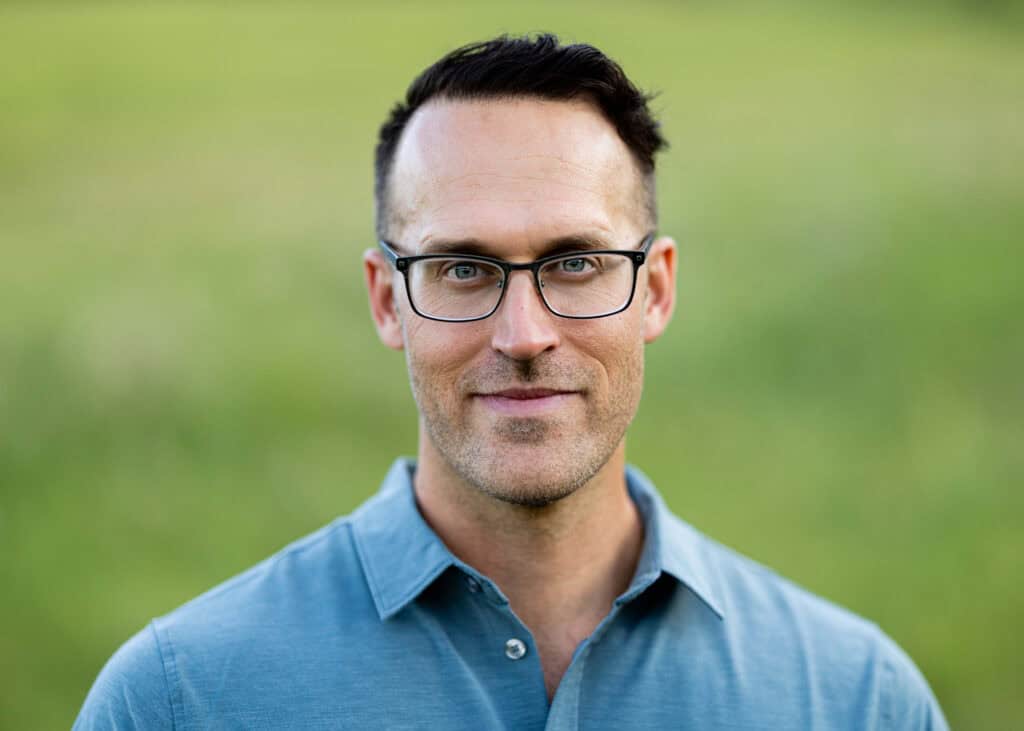
Dr. Donald Spears, ND, LAc
Dr. Spears integrates naturopathic medicine, acupuncture, functional diagnostics, and Chinese medicine to support hormonal patterns across all life stages. He works with patients with menstrual problems, peri/postmenopausal women, and men’s hormones.
→ View Full Bio
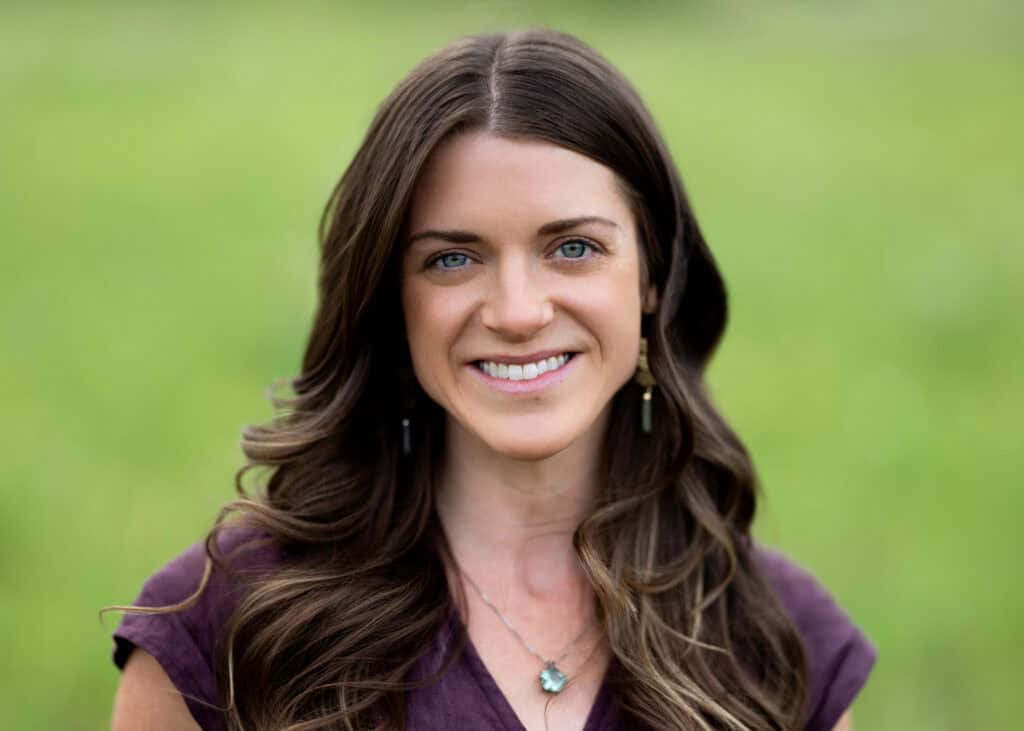
Dr. Shannon Curtis, ND
Dr. Curtis integrates naturopathic medicine, functional diagnostics, hands-on womb healing, and nervous system and emotional support for hormone balance. She helps women navigate various conditions related to hormone imbalances, including acne, PCOS, endometriosis, painful periods, and infertility.
→ View Full Bio
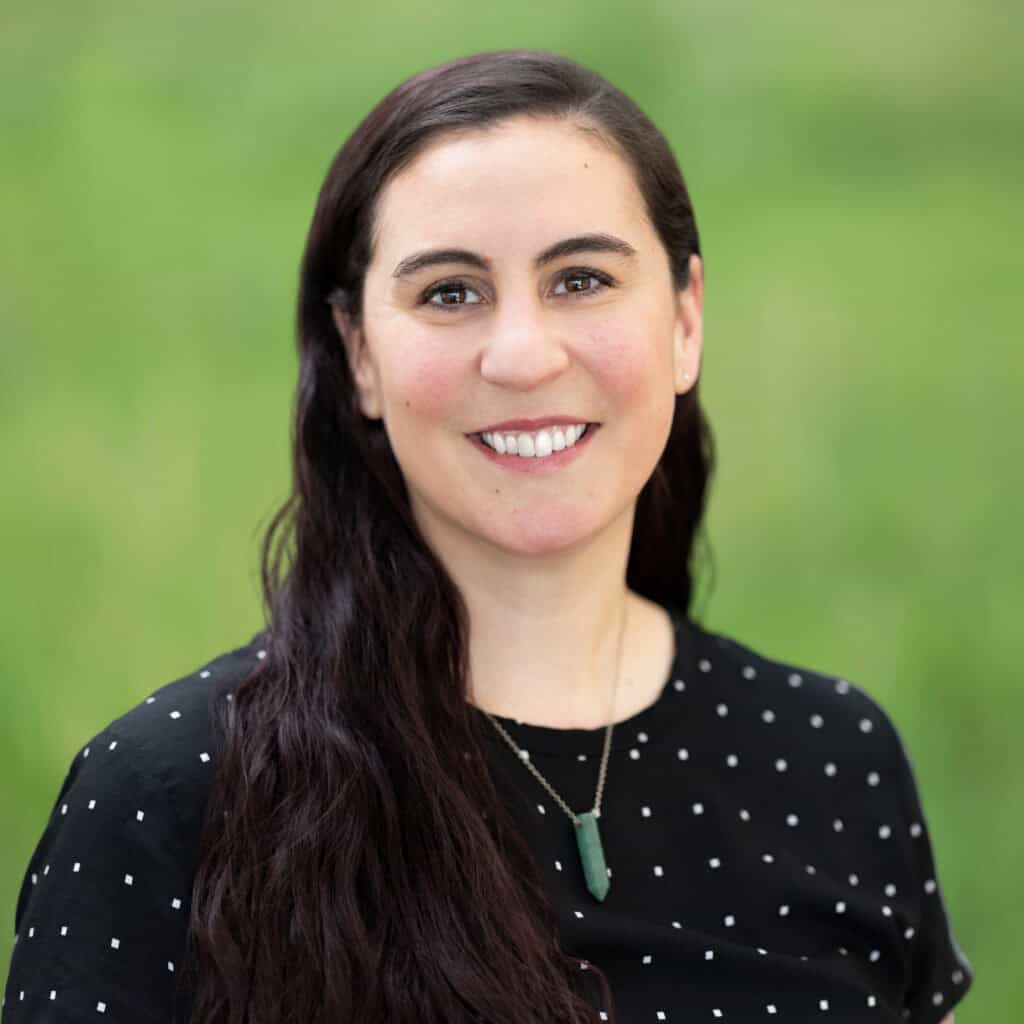
Dr. Mallory Mahoney, ND, LAc
Dr. Mahoney blends naturopathic medicine, functional medicine, acupuncture, and Chinese medicine to support menstrual health, fertility, PCOS, perimenopause, and metabolic hormone balance.
→ View Full Bio
Articles on Hormone Balance from Our Boulder Team
Both Dr. Shannon Curtis, ND and Dr. Donald Spears, ND, MSOM, LAc have written educational articles that help patients better understand hormonal patterns, metabolism, stress physiology, and the emotional factors that influence hormone health. These resources are simple, clear, and designed to help you make sense of your symptoms.
Recommended reading:
- Post-Birth Control Acne
- How Long Should You Be Off of Birth Control Before Trying For a Baby?
- How to Ovulate with PCOS: A Holistic Approach
- Signs Ovulation Is Happening: A Comprehensive Guide
These articles offer supportive, practical insights you can begin applying right away and help deepen your understanding of what may be influencing your hormones.
FAQs About Hormone Balance
Yes. Many hormone imbalances improve significantly when you support the nervous system, blood sugar stability, digestive health, lifestyle practices, and incorporate targeted hormonal strategies (i.e. botanical medicine).
Yes. Acupuncture can promote healthy ovulation, support hormone production, reduce hormonal symptoms, and calm stress hormones.
Not always. Testing can be helpful, but many patterns can be identified through history and symptoms. We use labs when they add clarity.
Yes. We support natural conception, cycle tracking, hormone optimization, and provide emotional support during the fertility journey. We also work with those planning IUI or IVF.
Yes. We can help with hot flashes, night sweats, anxiety, sleep changes, mood shifts, and metabolic changes during the menopausal transition.
Yes. Men have hormones too, and often struggle with low testosterone, chronic stress and cortisol issues, and metabolic changes like high cholesterol or weight gain.
When To Seek Help
If your hormones are affecting your mood, menstrual cycles, energy, sleep, or skin, you deserve support. Hormone balance is possible at every stage of life.
Ready to rebalance your hormones naturally?
Schedule a free 15 minute discovery call with one of our Boulder holistic doctors.
Want to learn more about our services?
Explore acupuncture, naturopathic medicine, and functional medicine to see how our holistic approach can support your healing.