Naturopathic medicine is a four-year accredited medical education that blends botanical medicine, nutrition, lifestyle medicine, supplements, homeopathy, hydrotherapy, and hands-on therapies with conventional primary care skills such as physical exams, Western diagnostics, conventional labs, imaging, and pharmacology. It also incorporates advanced functional medicine testing. At its core, naturopathic medicine holds that the body can heal itself and follows a therapeutic order that begins with the least invasive and most supportive therapies before moving to more intensive interventions when needed.
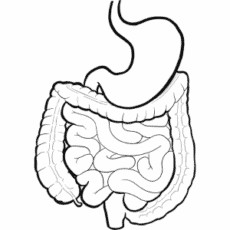
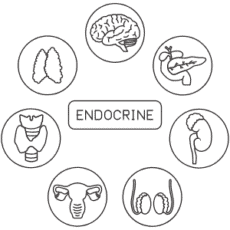
Functional medicine focuses on how the body’s systems work together, including hormones, digestion, inflammation, metabolism, detoxification, and the stress response. It relies on comprehensive lab testing such as hormone panels, stool analysis, micronutrient testing, and genetics to identify patterns that affect health. Functional medicine is a certification program rather than a standalone medical license, so training varies. Most practitioners hold a primary healthcare license such as MD, DO, ND, NP, PA, DC, RN, or RD and then complete additional training. Because the term functional medicine practitioner is not regulated, the depth of knowledge depends on the person’s underlying license and the quality of their certification. Functional medicine is often used to complement an existing scope of practice and to create individualized, data-informed treatment plans.
Holistic medicine is whole person medicine that recognizes a human being as mind, body, emotions, and spirit. Functional medicine may appear holistic because it looks at biological systems, yet it remains centered on what can be measured or quantified. True holistic medicine goes further. It understands that emotional patterns, belief systems, and behaviors are intricately connected to the physical body and shape how health expresses itself.
This is where traditional holistic frameworks such as naturopathic and Chinese medicine offer a richer and more multidimensional lens. These systems use dynamic, interpretive diagnostics that evolve in real time with the patient, allowing practitioners to observe not only physical signs, but also how the entire person shifts in response to treatment, experience, and life. This approach honors the whole human rather than focusing solely on the chemistry of the body.
Our holistic doctors combine these three frameworks to offer care that is medically grounded, system oriented, and deeply human.