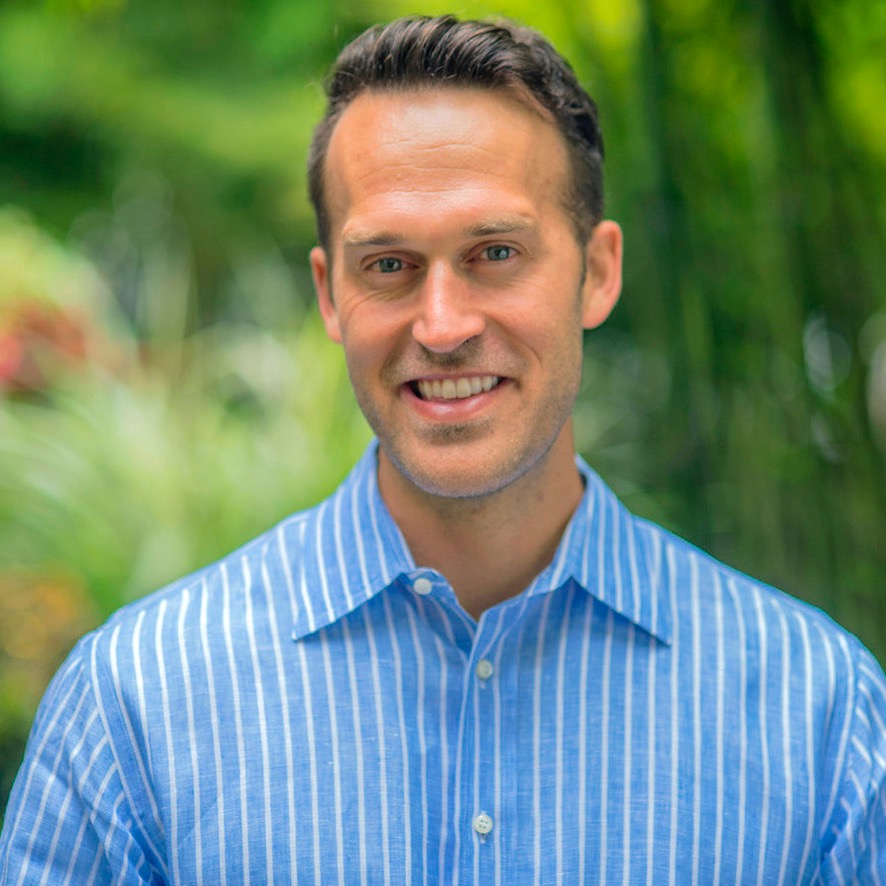
By Dr. Shannon Curtis and Dr. Donald Spears, Whole Systems Healthcare Boulder
There are some journeys in life you never expect to take. For us, our fertility journey was one of them.
We are both holistic doctors. We understand nutrition, hormones, lifestyle medicine, and the many factors that can influence conception. We live a healthy lifestyle and had already spent years doing many of the things we would recommend to patients preparing for pregnancy.
We never expected to have issues conceiving.
But our journey to parenthood stretched us, humbled us, broke our hearts open, and ultimately changed us, not only as husband and wife, but as doctors and eventually as parents.
We’re sharing our story because if you are currently trying to conceive, navigating infertility, grieving a pregnancy loss, or carrying fear after loss, we want you to know that you are not alone.
This is our fertility journey, told from both sides.
When We Started Trying to Conceive
Dr. Curtis
When my husband and I first began trying to conceive, I felt optimistic. Honestly, I assumed it would happen quickly, three months at most.
We’re both holistic doctors who live a healthy lifestyle. We understand optimal nutrition, “non-toxic” living, hormone physiology, and what it takes to get pregnant. As a naturopathic doctor, I had already spent years doing what many would consider “preconception prep.” My labs looked great, and my husband’s health was solid. We felt ready.
So when month after month passed with no positive pregnancy test, I was confused.
After around six months of trying, I started to feel concerned. At the same time, I reminded myself that conception can take time. About 80–90% of couples conceive within one year, and some take longer than expected even when nothing is inherently wrong. For most couples, even being healthy and fertile does not always mean getting pregnant immediately.
Still, when you deeply want a baby, logic only helps so much. I started to get hopeful yet anxious each month as my period would approach, only to feel crushed each time my menses arrived.
Dr. Spears
As the months continued to pass without conceiving, I began to see how deeply each passed cycle was affecting Shannon.
Every month her period arrived, there was disappointment. Then grief. Then the question, “Why is this not happening?”
I responded by staying positive and focusing on the numbers. And when the emotional burden became too much to bear, I tried to fix it.
“There’s always next month.”
“It will happen.”
“We’ll be okay.”
What I understand now is that optimism can sometimes be a shield.
Underneath my positivity was pain. There was a part of me that was nervous and angry that it was not happening right away. I felt frustrated watching Shannon grieve, and at times I wrongly interpreted her pain as a lack of faith rather than an honest emotional response to something deeply desired.
More than anything, I did not like seeing her hurt. I did not know how to sit with her pain, because doing so meant facing the pain I was carrying too. I could feel doubt beginning to creep in, and I wanted to outrun it.
So I tried to fix everything with reassurance, humor, hopeful words, and the promise of next month.
What I had not yet learned was that neither of us needed a solution in that moment.
We needed presence. We needed each other. We needed to feel heard and seen. We needed to welcome the uncomfortable feelings so they could move through us.
When Everything Looked “Normal”
Dr. Curtis
After a full year of trying, my husband and I pursued a deeper fertility workup. We completed additional labs, a semen analysis, and pelvic imaging. Everything came back normal.
My cycles were regular, and I was ovulating consistently according to fertility tracking. My progesterone levels were high enough to support pregnancy. I had been taking targeted supplements and herbal formulas to support egg quality, uterine lining health, and hormone balance. My husband was supporting sperm health as well.
On paper, everything looked fine, but there was still no pregnancy.
This is one of the hardest places to be: when all signs say things should be working, yet your reality says otherwise. It’s frustrating because it can feel like there is nothing you can do when there is nothing obvious to “fix.”
Dr. Spears
I also completed a semen analysis. If I’m being honest, that was uncomfortable.
There was vulnerability, embarrassment, and a quiet sense of shame. Many men are conditioned to avoid asking for help, especially when it touches identity, performance, or masculinity.
Yet conception is a shared equation. Fertility challenges are often carried emotionally by women, with the woman tracking cycles, changing routines, seeking support, and wondering if something is wrong with her body. But male factors contribute to infertility far more often than many people realize.
My own results were generally encouraging, though there was room for improvement in areas such as motility and morphology. That became a turning point for me.
I began consistently taking fertility-supportive supplements, paying attention to heat exposure, prioritizing stress management and recovery, and taking a more active role in the process.
When We Stopped Asking, “What More Should We Add?”
Dr. Curtis
Deep down, I knew stress was playing a role. At the time, I was pushing hard in my online business and putting so much pressure on myself. My weekends were spent being anxious for the busy week ahead. Even though I was doing “all the right things” physically, my nervous system was not at ease.
So I made a major decision: I stopped taking on new online clients for a while and released much of the pressure I had been carrying. I gave myself permission to let go and relax a bit. I spent more time doing things that brought me joy, like making earrings, dancing, and being outside in nature.
I still wanted to get pregnant, but I stopped gripping my desire so tightly. I thought to myself, “Que sera sera,” whatever will be, will be. What is meant for me will happen.
At that point, I just needed to do more of what made me happy and less of what made me anxious and stressed.
Dr. Spears
By early 2025, we were taking the supplements, eating a healthy diet, tracking cycles, timing everything carefully, and doing what many couples are told should be enough.
Yet it still was not happening.
We began to realize that perhaps the answer was not adding another supplement, treatment, or fertility strategy.
This is an important distinction in how we think about holistic medicine. Acupuncture, herbs, nutrition, supplements, and lifestyle tools can absolutely support healing, but health is not contained within any one of those things. Your nervous system, hormones, immune system, and emotional state are constantly interacting to create the internal environment in which the body functions.
So we stopped asking, “What more should we add?” and started asking, “What needs to change inside our lives so the body can thrive?”
Sometimes healing comes through subtraction rather than addition. Doing less rather than doing more.
Shannon made the difficult decision to pause her successful online business to significantly reduce her stress load. Over the following months, I watched tension gradually leave her body.
At home, I began performing regular fertility acupuncture treatments for her. We also used a Chinese herbal formula designed for her unique constitution rather than simply choosing a generic fertility formula. This is an important principle in Chinese medicine and holistic care: we treat the person, not just the diagnosis.
About three months after making these changes, she became pregnant.
Our First Pregnancy
Dr. Curtis
I was overjoyed! After all that time trying, I could hardly believe it. I told my family right away because I wanted them to celebrate with me.
But at my first prenatal ultrasound around 8.5 weeks, everything changed.
We were told the baby’s heartbeat was very slow, growth was a couple weeks behind, and I should expect a miscarriage.
Dr. Spears
When Shannon first showed me the positive pregnancy test, I was stunned. Then excited. Then hopeful.
After such a long wait, it was hard to believe it was real.
At our 8-week viability scan, we learned the pregnancy was not progressing as hoped. The baby was measuring two weeks behind, and their tiny heartbeat was only a flicker of where it should have been.
Shannon was devastated.
I was numb.
“I Just Want to Meet You”
Dr. Spears
The morning after that concerning ultrasound, I drove to yoga carrying a heaviness I could not yet name. On the drive, grief surfaced and I began to cry. It had been quite some time since I had cried.
Sitting in the parking lot, sobbing, I heard myself say out loud:
“I just want to meet you.”
After class, I walked out of the second-floor studio toward the outdoor stairwell and noticed a large blue butterfly repeatedly flying into the glass, unable to find its way out.
I gently placed my hands around and beneath it, and it landed softly in my palm.
For a few moments, we simply existed.
I slowly walked down the stairs holding it. At the bottom, a small gust of wind came through the stairwell, the butterfly opened its wings, and flew away.
The grief rose in me again. In that moment, I felt I had just met my little one.
Though they were measuring two weeks behind, though their heart rate was a mere 70 beats per minute, they had persevered. They had hung on long enough for me to meet them.
Later that day, we had a second ultrasound and received confirmation that the pregnancy was unlikely to be viable.
Losing Our Baby
Dr. Spears
After receiving the news, and after witnessing Shannon’s grief for the lost opportunity of all the cycles that had passed without a positive pregnancy test, for the first time we were fully together in grief.
There was no fixing.
No running.
No deflecting.
Only an overwhelming flood of tears, heaviness, and sorrow.
Some time later, we found ourselves speaking together to our little one.
We told them how long they had been wanted. We told them how deeply they were loved. We told them how much we wanted to meet them.
And we also told them that we understood the timing might not be right. That if this was the end of our time together, we understood.
One of the hardest parts of being told miscarriage is likely imminent is not knowing when it will happen.
After having that conversation between the three of us, within hours, Shannon began to miscarry.
Dr. Curtis
The next day, I miscarried, and it was the most heartbreaking experience of my life.
The grief was profound. I’ve never experienced the pain of such a loss before. The physical pain of the actual miscarriage was also intense. I bled heavily with huge clots, became weak and dizzy, and ultimately went to the hospital, where they confirmed the pregnancy had passed and stabilized me with IV fluids.
My miscarriage was a physically scary experience, and the loss of my baby ripped my heart into a million pieces. After my experience, I realized how no one fully prepares you for the physical and emotional reality of miscarriage.
Dr. Spears
I had no idea how painful a miscarriage could be. I had never seen Shannon in such agony: physical pain, emotional pain, and spiritual pain.
It changed me.
Before living through it myself, I understood miscarriage intellectually. I knew how common it can be. I had supported patients through it as a doctor.
But lived experience is different.
Grieving Our Baby
Dr. Curtis
Donald and I spent the day of the miscarriage grieving together. We buried our tiny baby beneath our apple tree and honored the short but beautiful presence this little soul had in our lives.
As painful as it was, the experience brought us closer. We realized how deeply we already loved this baby, how ready we were to become parents, and how much this dream truly mattered.
The acute grief stayed with me for weeks, and I still carry sadness about the loss of that life to this day.
After the miscarriage, I immediately wanted my body to return to normal. I wanted to ovulate again. I wanted another chance to conceive.
I really just wanted my baby back.
But healing after my pregnancy loss had its own timeline. My hormones fluctuated for weeks, and I had a bleed without ovulation. My body was in a post-miscarriage limbo that I was frustrated to be in, but eventually around 6–7 weeks later, I ovulated again.
Dr. Spears
In the weeks after the miscarriage, there was grief, but there was also closeness.
For so long, I had tried to support Shannon from the outside, staying positive, trying to fix things, and trying to keep us moving forward. After the miscarriage, we were finally in it together.
We also realized that during our first pregnancy, so much of our experience had been wrapped in caution, fear, and anxiety. We had waited so long for that moment that it felt difficult to fully celebrate it.
So we made a promise to each other:
The next time we become pregnant, we will let ourselves feel the joy.
We will celebrate.
In the weeks that followed, we looked for signs of hope that our little one was still with us. Butterflies. Rainbows. Small reminders to keep trusting life.
And during Shannon’s very next cycle, we conceived again.
Pregnancy After Loss
Dr. Curtis
Shortly after my first post-miscarriage ovulation, I found out I was pregnant again.
I was absolutely THRILLED…and also terrified.
Pregnancy after loss carries a unique kind of vulnerability. My joy at my positive test felt tentative and unsure, like my pregnancy could be ripped away from me again at any moment.
Every twinge and cramp felt scary. Every time I went to the bathroom, I checked for blood. I worried if symptoms changed or disappeared completely. I feared another loss constantly.
So I had to learn to take it one day at a time and celebrate one milestone at a time: the heartbeat we heard at the first ultrasound, the reassuring tests and appointments, finding out our baby was a boy, and each passing week where my belly grew slightly bigger.
Instead of living only in fear, I practiced gratitude for every single day I got to carry this precious baby boy.
And in the spring of 2026, we got to welcome our sweet boy into this world!
What Our Fertility Journey Taught Us
Dr. Curtis
Looking back, I believe my fertility journey was about more than just getting pregnant and having a baby.
It was about becoming the woman who was ready to be a mother.
Those two years of infertility taught me surrender, patience, compassion, and trust. My pregnancy loss taught me how fragile life is and how grief can be a transformative portal into even deeper love. It strengthened the bond between my husband and me, and it made my second pregnancy feel even more sacred.
I would never have consciously chosen to experience infertility, as it’s such a difficult path, but I can now see that it carried lessons I could not have learned any other way.
Dr. Spears
This experience reminded me that health knowledge does not equal total control.
We can optimize nutrition. Improve labs. Use supplements. Support hormones. Do acupuncture. Use herbs. Exercise. Sleep well.
And still, some parts of life ask us to surrender.
This journey also softened me. It made me a more compassionate husband, a more present partner, and a wiser doctor.
I listen differently now. I hold space differently now. I understand that people do not always need solutions first. Often, they need to feel seen, understood, and connected in what they are carrying.
Rather than fixing, healing often begins with being met exactly where you are.
To Anyone on Their Own Fertility Journey
If you are walking through fertility challenges right now, we want you to know that you are not alone.
This path is not always as straightforward as expected. Sometimes all of the testing looks “normal.” Sometimes you can seemingly do everything right and still not have the outcome you desperately want. And sometimes the strongest next step is not pushing harder, but receiving support.
Our experience reinforced something we already believed as holistic doctors: fertility belongs to both partners, and reproductive health cannot always be reduced to a single hormone, lab value, supplement, or diagnosis. Fertility exists within the larger context of our physical health, emotional well-being, relationships, nervous system, environment, and lives.
How Our Journey Changed the Way We Practice Medicine
Walking this path changed more than our family. It changed the way we practice medicine.
We understand differently now what it feels like when another month passes without a pregnancy. We understand the frustration of being told everything looks “normal” when you know something still isn’t working. We understand the vulnerability of fertility testing, the grief of pregnancy loss, and the complicated mixture of joy and fear that can come with pregnancy after loss.
At Whole Systems Healthcare Boulder, we bring that understanding into our fertility care. Depending on the individual or couple, our approach may include naturopathic medicine, acupuncture, Chinese herbal medicine, nutrition, lifestyle support, fertility testing, and care for the nervous system and emotional health.
If you’re walking your own fertility journey and looking for doctors who will take the time to understand the whole picture, we’d be honored to walk alongside you.
Schedule a Fertility Consultation with Whole Systems Healthcare Boulder.