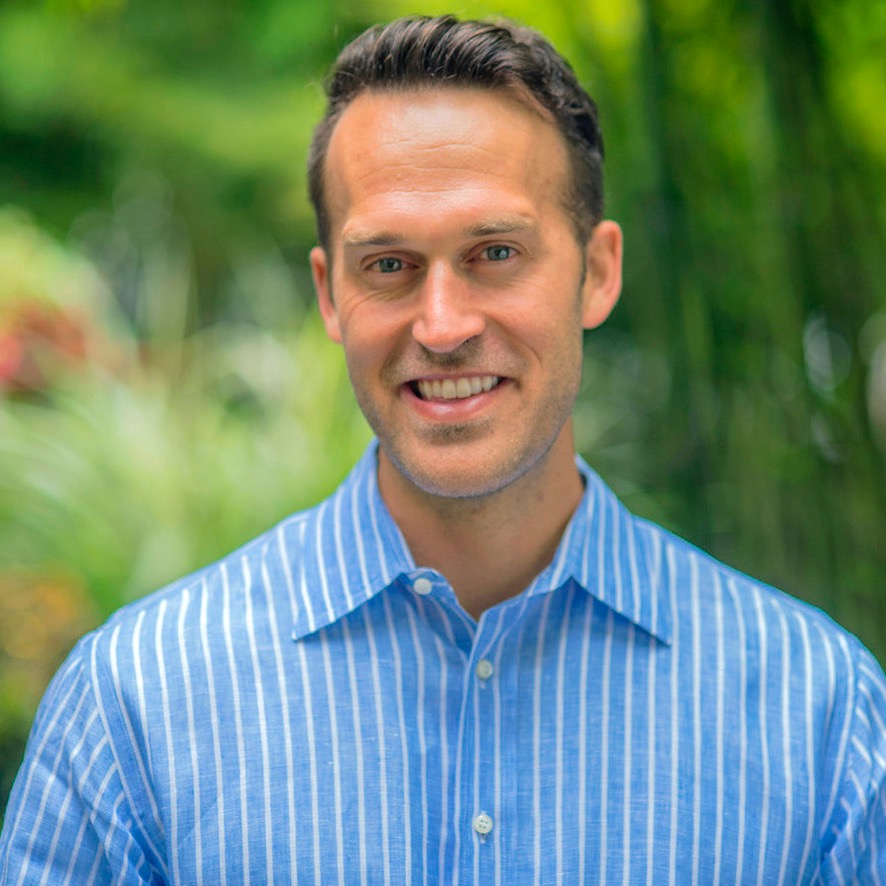
Medically Reviewed by Donald Spears, ND, MSOM, LAc Updated 2/22/26
Understanding Polycystic Ovary Syndrome (PCOS)
If you have PCOS and struggle to ovulate regularly, you’re not alone. Polycystic Ovary Syndrome (PCOS) is a hormonal condition that can cause irregular or absent ovulation, making pregnancy more difficult. This article explains what affects ovulation in PCOS and natural, evidence-informed ways to support ovulation and hormone balance.
What Is Ovulation and Why Does PCOS Disrupt It?
Ovulation is when your ovary releases a mature egg, which is an essential step for conception and a normal menstrual cycle.
Women with PCOS often experience:
irregular or missed periods
long cycles
anovulatory cycles (cycles with no ovulation)
This happens because PCOS affects:
insulin sensitivity
androgen levels
ovarian follicle development
When hormones are not communicating clearly, ovulation becomes harder to achieve.
How PCOS Impacts Hormones and Ovulation
PCOS is complex, but two issues show up over and over.
1. Insulin resistance
When insulin levels are high, they trigger the ovaries to produce more androgens. High androgen levels (like testosterone) can disrupt follicle development, which prevents the egg from maturing properly.
2. Hormonal signaling imbalances
FSH and LH, the hormones that grow and release an egg, may not rise and fall in the right pattern. This can lead to:
stalled follicle growth
irregular cycles
difficulty ovulating
multiple small follicles that do not mature
Understanding this foundation makes the holistic approach much easier and much more empowering.
Holistic Ways to Support Ovulation With PCOS
You cannot force ovulation, but you can gently guide your body back into balance. Below are supportive approaches that help your hormones communicate more clearly.
Natural Treatment Options for PCOS
The primary objectives in treating PCOS revolve around hormonal regulation. This includes enhancing the body’s response to stress by stabilizing hypothalamic-pituitary-adrenal (HPA) axis function, harmonizing sex hormones like increasing progesterone levels and reducing prolactin if elevated, and controlling blood sugar levels through improved insulin sensitivity. Achieving these goals not only facilitates ovulation but also helps in diminishing symptoms related to excessive androgens and mitigating the risk of future health issues associated with PCOS.
While the focus of this article is on aiding ovulation in women with PCOS, the holistic suggestions provided extend beyond this. They contribute to overall healing and play a crucial role in halting the progression of the condition.
Nutrition for Hormone Balance and Ovulation
Food is one of the most important ways to support ovulation, especially when insulin resistance is present.
These foods help keep blood sugar steady, which supports healthier insulin levels. This is one of the biggest keys for ovulation with PCOS.
Movement to Support Ovulation
You do not need intense workouts to support ovulation. Gentle, consistent movement is often best.
strength training
walking
yoga
Pilates
low-impact cardio
These can improve insulin sensitivity and support hormone balance.
Stress and Nervous System Support
Chronic stress raises cortisol, which can interfere with:
progesterone
estrogen
ovulation
blood sugar balance
Supportive practices:
meditation
breathwork
grounding
somatic work
time in nature
restorative movement
These help signal safety to the body, which is essential for regular ovulation.
Internal Natural Options
Our #1 supplement for helping women ovulate with PCOS is inositol.
Inositol, particularly in its forms myo-inositol and D-chiro-inositol, plays a significant role in helping women with Polycystic Ovary Syndrome (PCOS) ovulate. Here’s how it works:
1. Improving Insulin Sensitivity
Mechanism: PCOS is often linked with insulin resistance, where the body’s cells do not respond effectively to insulin. This leads to higher insulin levels, which can disrupt ovulation.
Effect of Inositol: Inositol acts as a secondary messenger in insulin signaling pathways. By improving insulin sensitivity, it helps lower insulin levels, which can normalize reproductive hormones and aid in the resumption of ovulation.
2. Balancing Hormonal Levels
Reducing Androgens: High levels of androgens (male hormones), commonly found in women with PCOS, can interfere with the development of ovarian follicles and impede ovulation. Inositol has been shown to reduce androgen levels.
Increasing SHBG: It can also increase the levels of Sex Hormone Binding Globulin (SHBG), which binds to testosterone, thereby reducing the amount of free testosterone in the body.
3. Improving Ovarian Function
Follicular Maturation: Inositol contributes to the maturation of ovarian follicles. A healthier follicular environment increases the chances of ovulation.
Egg Quality: Enhanced egg quality due to better ovarian function further improves the likelihood of successful ovulation and conception.
4. Regulating Menstrual Cycle
Restoring Regularity: By addressing the underlying hormonal imbalances associated with PCOS, inositol helps in regularizing menstrual cycles, which is a key factor in natural ovulation.
5. Reducing Inflammatory Markers
Anti-inflammatory Effects: Inositol can help in reducing the levels of inflammatory markers in the body, which are often elevated in women with PCOS. This reduction in inflammation can further support reproductive health and ovulation.
6. Effect on Ovulatory Dysfunction
Correcting Dysfunction: In women with PCOS, ovulatory dysfunction is common. Inositol, particularly when combined with other treatments, can help in correcting this dysfunction, leading to more regular ovulation.
Inositol addresses several key factors contributing to PCOS. When considering the most effective form, myo-inositol has been observed to be more beneficial than D-chiro-inositol in practical applications. Additionally, it presents a more cost-effective option. A daily dosage of 4 grams of myo-inositol has proven effective, but it is always advisable to use it under the supervision of a competent healthcare professional for optimal results and safety.
Further natural internal remedies include:
Chaste Tree Berry (Vitex): promotes progesterone, decreases prolactin.
While at home natural treatments can be effective, they may not be sufficient for everyone. PCOS is a complex condition and varies significantly from person to person. Therefore, an individualized approach under the care of a qualified health practitioner is highly beneficial.
The Need for a Customized Plan
Every woman’s body is unique, and what works for one may not work for another. A customized plan looks at various factors:
At Whole Systems Healthcare, our holistic fertility doctors take a comprehensive approach. We consider all aspects of health and lifestyle in creating a personalized treatment plan. Our focus is not just on treating symptoms but on understanding and addressing the root cause of PCOS. By combining evidence based medicine with traditional natural therapeutics, we are able to truly provide a holistic approach and treatment that is designed for your exact needs. Furthermore, we offer Maya abdominal massage and acupuncture to further expedite the healing process.
The Role of Conventional Medicine
In some cases, conventional medical treatments such as medication may be necessary in conjunction with natural therapies. Our team works closely with medical professionals to ensure a cohesive treatment plan.
PCOS can be a challenging condition, especially when trying to conceive. However, with the right combination of natural treatments and personalized care, many women with PCOS can ovulate and achieve a healthy pregnancy.
At Whole Systems Healthcare, we believe in a comprehensive approach to fertility. If you are struggling with PCOS and seeking a holistic path to pregnancy, our team of experienced holistic fertility doctors is here to help. Together, we can develop a plan tailored specifically to your needs, combining the best of natural and conventional medicine.
Take the first step towards your journey to motherhood. Contact Whole Systems Healthcare today for a consultation and discover how we can help you achieve your dream of becoming a parent.
Dr. Donald Spears is a naturopathic doctor and Chinese medicine practitioner in Boulder, Colorado. He is the Clinic Director of Whole Systems Healthcare Boulder Clinic.