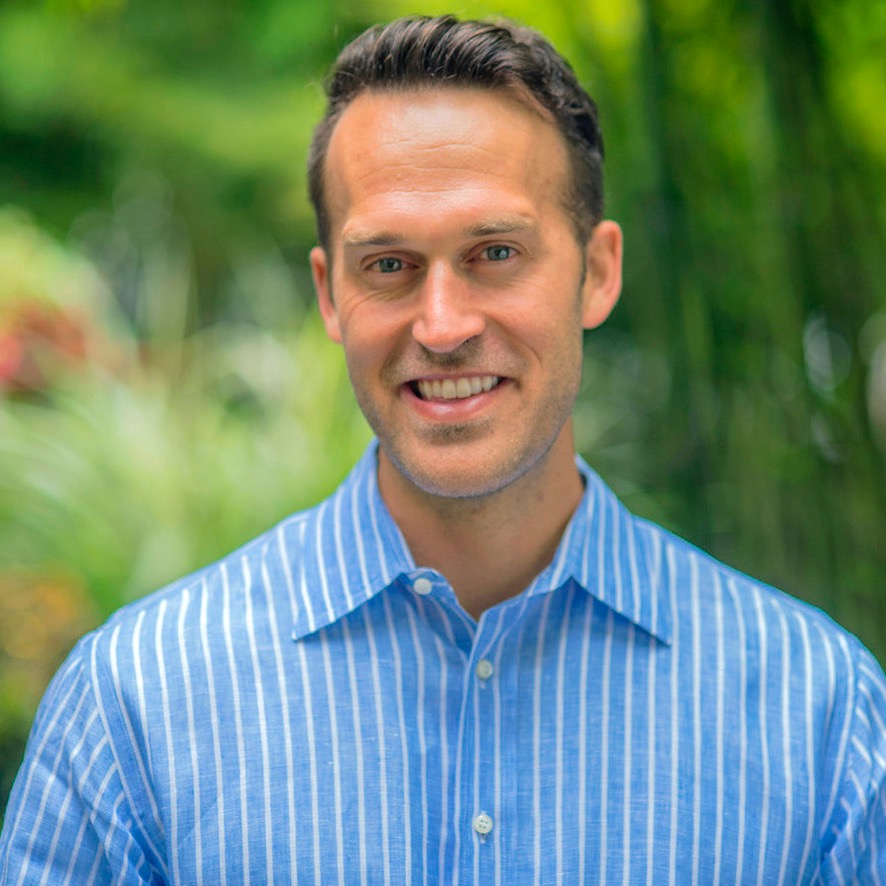
Medically reviewed by: Dr. Donald Spears, ND, MSOM, LAc Updated: 2/23/2026
Quick Overview
Miscarriage is common and often occurs before a pregnancy is even recognized. Most people who experience one miscarriage go on to have a healthy pregnancy, but recurrent pregnancy loss (RPL) can feel confusing, frightening, and overwhelming. While some causes of miscarriage are genetic or anatomical, others are related to hormones, immune factors, clotting disorders, or lifestyle influences. Understanding when the loss occurred, evaluating key systems, and supporting the body holistically can improve outcomes and bring clarity during a difficult time. Emotional support is just as important as medical care, because miscarriage affects both the body and the heart.
A Personal Note on Miscarriage
When I first wrote this article, miscarriage was something I understood clinically but not personally. That changed a year and a half later when my wife and I experienced a miscarriage at eight weeks into her first pregnancy. I had supported many patients through loss, and I thought I understood the emotional weight, but I did not realize how deep and disorienting the grief could be until I walked through it myself.
Our miscarriage was one of the most painful experiences of my life. I questioned the intensity of the pain. How could something so early, and something I was not physically carrying, affect me so deeply? Yet the grief was real, raw, and overwhelming. And it opened my eyes to how powerful the bond of early pregnancy is and how quickly hope and love can form.
Many of the recommendations in this article still hold true. But before anything else, I want anyone who has gone through a miscarriage to honor your emotions. Your feelings are real. They deserve space, expression, and support. Do not minimize your experience or shame yourself for how deeply it hurts.
Reach out to your partner, family, friends, and community. Create a grief ritual or ceremony if it feels right. My wife needed several months before she felt like her grieving process was complete, and honoring that timeline was an essential part of healing.
Healing after miscarriage is not only physical. It is emotional, hormonal, and nervous-system based. Allow yourself compassion. Allow yourself care. And most importantly, please know that you are not alone. So many others have walked this path, and support is available when you need it.
Trying to Conceive After a Miscarriage
The journey of conception is often met with challenges, and miscarriage is one of the most common yet distressing experiences for those trying to conceive. Understanding the nuances between spontaneous abortion (miscarriage) and recurrent pregnancy loss (RPL) is crucial in managing these challenges and planning for future pregnancies.
Understanding Miscarriage and Recurrent Pregnancy Loss
Miscarriage (Spontaneous Abortion)
Definition: Miscarriage, medically termed as spontaneous abortion, refers to the loss of a pregnancy before the 20th week, often occurring even before the pregnancy is known.
Incidence: It is a relatively common event, impacting an estimated 15-25% of recognized pregnancies.
Recurrent Pregnancy Loss (RPL)
Definition: RPL is characterized by two or more consecutive pregnancy losses. This condition affects about 1-2% of couples trying to conceive.
Challenges in Diagnosis: Diagnosing the underlying cause of RPL is complex, as identifiable reasons are found in only 50-60% of cases.
Emotional Impact: RPL not only has physical implications but also carries a significant emotional and psychological burden for the individuals involved.
Statistical Overview
After one miscarriage, the likelihood of a healthy subsequent pregnancy is about 76%, decreasing slightly with each subsequent loss.
Evaluation for potential causes is recommended after two consecutive losses in women who have not had a live birth, whereas in women who have previously given birth, evaluation is suggested after three losses..
Timing and Stages of Pregnancy Loss
Pregnancy can be divided into three stages: pre-embryonic (conception to week 4), embryonic (weeks 5 to 9), and fetal (week 10 to delivery). Understanding the timing of the miscarriage is vital:
Pre-Embryonic Loss: Often linked to genetic factors, issues like antioxidant status, egg and sperm health, and implantation challenges are considered.
Embryonic Loss (4-9 weeks): Genetic factors and low progesterone levels are common causes. Sperm fragmentation analysis can provide insights as well.
Late Fetal Loss: Generally due to autoimmune, thrombotic, or anatomic causes.
Causes of Recurrent Pregnancy Loss
Parental Chromosomal Anomalies: Structural abnormalities in the chromosomes of one or both parents can lead to repeated pregnancy losses.
Hormonal Imbalances: Conditions like thyroid disorders and polycystic ovary syndrome (PCOS) are known contributors.
Uterine and Anatomic Abnormalities: Issues like fibroids or an abnormally shaped uterus can interfere with the implantation or growth of the embryo.
Immunological Factors: Autoimmune disorders, where the body’s immune system mistakenly attacks the developing embryo, are suspected contributors to RPL.
Environmental and Lifestyle Influences: Factors like exposure to certain toxins, smoking, and excessive alcohol use can increase the risk of RPL.
Treatment of Genetic Malformations: Increasing antioxidants, supporting detoxification pathways, and avoiding DNA-damaging agents are critical steps.
Thrombophilias and Anatomic Abnormalities: Screening for blood clotting disorders and uterine abnormalities can provide valuable insights.
Immune-Related Losses: Testing for autoimmune disorders, especially antiphospholipid antibody syndrome, is crucial. Treatment often involves anticoagulants like heparin or aspirin.
Luteal Phase Defect: Addressing this involves strategies to lengthen the luteal phase and enhance overall reproductive health.
The Role of Lifestyle and Psychological Support
Lifestyle Modifications: Encouraging a healthy diet, regular exercise, and avoidance of harmful substances like tobacco and alcohol can positively impact reproductive health.
Stress Management: Chronic stress can adversely affect fertility. Techniques like mindfulness, yoga, and counseling can be beneficial.
Psychological Support: Dealing with miscarriage and RPL can be emotionally draining. Support groups, therapy, and counseling can provide essential emotional support.
Integrative Approaches: Incorporating complementary therapies such as acupuncture or herbal medicine can be considered alongside conventional treatments to enhance overall well-being.
When to Seek Medical Evaluation After a Miscarriage
Most people do not need extensive testing after a single miscarriage, since one loss is common and often due to genetic factors outside anyone’s control. Evaluation is typically recommended after two consecutive losses for those without a previous live birth, or after three in those who have delivered before. Seek medical care sooner if you have severe bleeding, fever, or a history of autoimmune conditions, clotting disorders, or hormonal imbalances.
How Long to Wait Before Trying to Conceive Again
While many clinicians suggest waiting one menstrual cycle before trying again, emotional readiness varies. The physical body often recovers quickly, but emotional and hormonal healing can take more time. Trust both your physical health and your emotional timing.
Holistic Support After Miscarriage
Gentle, integrative approaches may help support healing, such as:
These approaches can complement standard medical evaluation.
You Do Not Have To Walk This Path Alone
If you have experienced a miscarriage or recurrent pregnancy loss, please know that your grief, your questions, and your hopes all matter. Healing after loss involves both the body and the heart, and having the right support can make an enormous difference. Our holistic fertility doctors in Boulder, Colorado offer gentle, compassionate, integrative care to help you understand your body, support your hormones, and create a safe space for emotional healing. If you are ready for guidance that honors both your medical needs and your lived experience, you are welcome to work with Dr. Spears or Dr. Curtis at Whole Systems Healthcare Boulder. And wherever you are in your journey, we are here to support you with care, respect, and understanding.
Dr. Donald Spears is a naturopathic doctor and Chinese medicine practitioner in Boulder, Colorado. He is the Clinic Director of Whole Systems Healthcare Boulder Clinic.